Feeling overwhelmed by automation choices? You're not alone. The three most common systems—ASRS, Pallet Shuttle, and 4-Way Shuttle—solve different problems. Picking the wrong one is like using a hammer to screw in a lightbulb.
Let's cut through the noise. Here’s your straightforward cheat sheet to understand what each does best and how they can work together.
| Aspect | ASRS (Automated Storage & Retrieval System) | Pallet Shuttle System | 4-Way Shuttle (4WS) System |
|---|
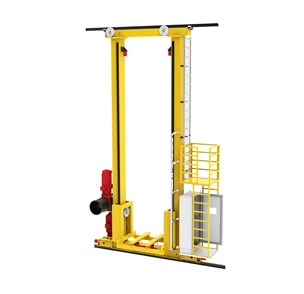
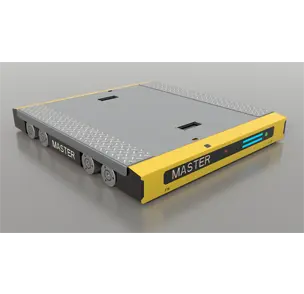
| Core Purpose | High-Bay, High-Speed Storage & Retrieval | Ultra-Dense, Ground-Level Pallet Storage | Flexible, High-Speed Case/Tote Picking |
| Best For | Maximizing vertical space (up to 45m+). Very high throughput of standard pallets. | Maximizing floor space density. Perfect for cold storage or bulk goods with fewer access points. | Maximizing picking speed & accuracy for thousands of SKUs. Ideal for e-commerce, distribution. |
| Key Strength | Speed at Scale: Fast, robotic access to any pallet in a tall, narrow aisle. | Density at Cost: Stores the maximum number of pallets in a given footprint. Simple, robust. | Flexibility & Intelligence: Agile robots that bring any item to a picker, optimizing paths in real-time. |
| Typical Load | Standardized pallets (often 1-2 tons). | Standardized pallets. Can handle heavier loads in robust designs. | Bins, totes, or cartons containing individual items. |
| Access Pattern | Random Access: Any pallet, any time, with equal speed. | Lane-Based (Deep Storage): Best for FIFO/FILO. Accessing a deep pallet requires cycling others. | Random Access within a Grid: Any bin can be retrieved directly without moving others. |
| Ideal Workflow Fit | The core reservoir for fast-moving raw materials or finished goods in manufacturing/CPG. | The bulk warehouse within a warehouse for seasonal stock, slow-movers, or cold chain buffer. | The beating heart of order fulfillment in retail, e-commerce, and spare parts logistics. |
| Scalability | High initial commitment. Scaling means adding entire new aisles/cranes. | Highly modular. Can start with one lane and add more lanes or shuttles easily. | Extremely scalable. Start with a small grid and add more shuttles and racking levels as needed. |
| When to Combine Them | Feed pallets TO a Pallet Shuttle for ultra-dense archiving, or FROM a Pallet Shuttle for order breakdown. | Act as the bulk feeder to a 4WS system (after depalletizing) or as the dense archive fed by an ASRS. | Be fed by a Pallet Shuttle or ASRS (after depalletizing) to handle the final, granular picking stage. |
Visualizing the Perfect Synergy: A Typical Flow
Imagine a consumer goods warehouse:
Bulk In: Raw materials arrive on pallets → Stored in the ASRS for high-speed production feeding.
Finished Goods: Finished pallets from production → Sent to the Pallet Shuttle zone for high-density medium-term storage.
Order Processing: For shipment, pallets are pulled from the Pallet Shuttle, depalletized, and cases are placed into the 4-Way Shuttle grid.
Picking & Shipping: The 4WS retrieves all cases for multiple orders and delivers them to packing stations.
Each system plays to its strengths, creating a seamless, efficient chain.
The Bottom Line:
Need height and speed for pallets? Think ASRS.
Need maximum pallet density on the ground? Think Pallet Shuttle.
Need agility and speed for individual items? Think 4-Way Shuttle.
Need to do it all? Combine them.
The future of warehousing isn't about one winner. It's about the right team.
Still unsure which combination is right for your flow? We map these decisions daily.


 English
  Indonesia